






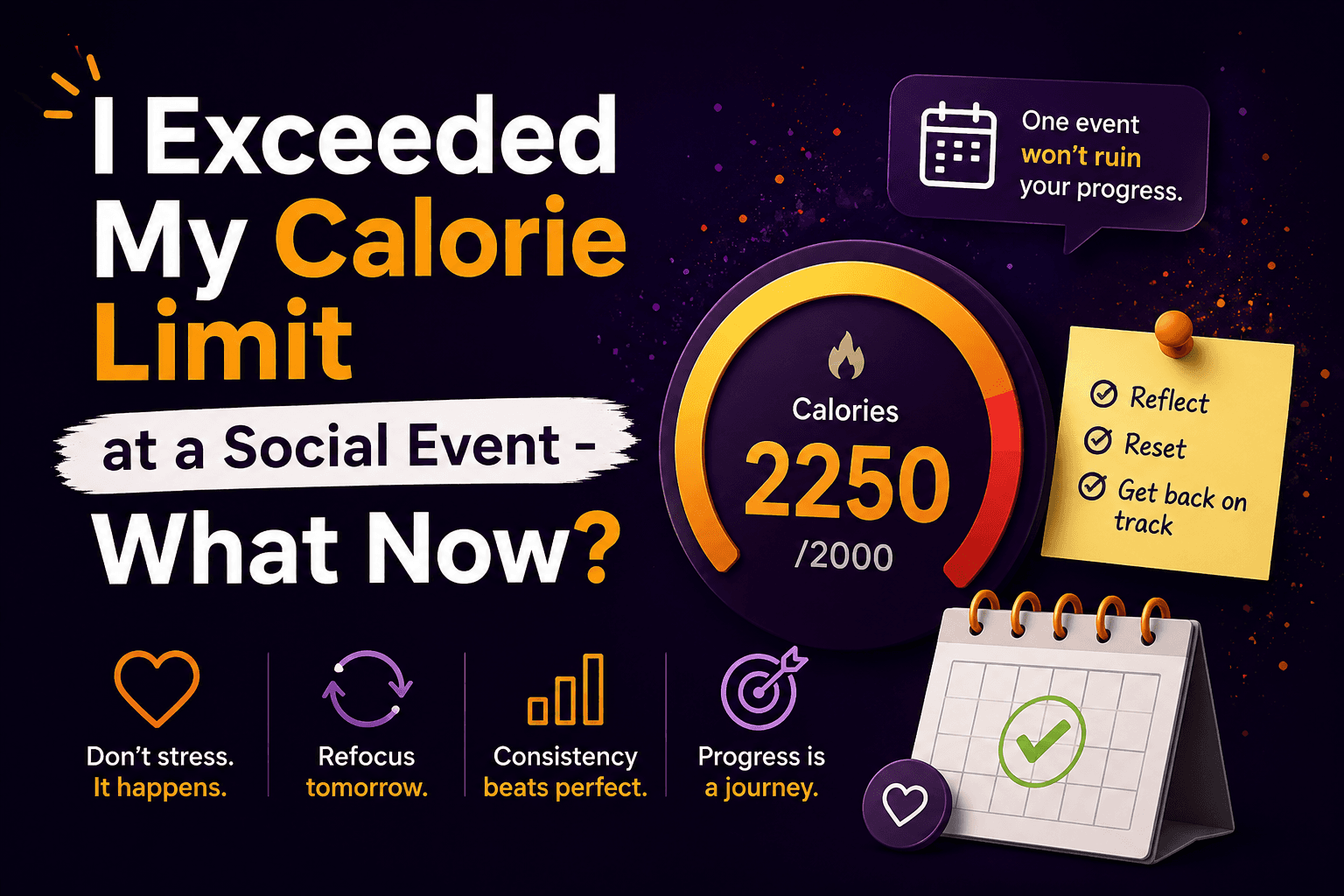
No, one social event does not ruin your progress. If you are thinking, “I exceeded my calorie limit,” the best next step is not to panic, skip meals, or try to punish yourself the next day. The most effective recovery is much simpler: go back to your normal routine, keep things balanced, and look at your overall pattern instead of one meal.
This happens to a lot of people trying to lose weight because social eating is different from everyday eating. You are around friends, there is more food, desserts keep appearing, and nobody wants to stop the conversation to calculate every bite. That is where Slim AI-Calorie Tracker can help. Instead of turning one event into a vague, stressful memory, the app helps you log meals, review your intake, and see a visual graph of how many calories you need, how many you consumed, and how much movement or workouts contribute to the balance. That makes progress easier to understand and much easier to manage.
Is It Bad to Go Over?
Usually, no. If you are wondering, “Is it bad to go over your calorie limit?” The honest answer is that one higher-calorie meal or event is not what causes long-term failure. Progress is shaped by what you do most of the time, not by one birthday dinner, wedding, brunch, or night out.
What matters more is what happens after. A lot of people do not lose progress because they overate once. They lose progress because that one event turns into guilt, restriction, and then more overeating. The problem is often the reaction, not the meal.
Why Social Events Lead to Overeating
Social events make it easier to overeat because food is not just food in those moments. It is comfort, celebration, pressure, habit, and fun all at once. You may eat faster, snack mindlessly, or keep saying yes because everyone else is still eating too.
That is why how to avoid over eating is not always about “more control.” Sometimes it is about understanding the situation better. When food is shared, served in large portions, or constantly available, it becomes much easier to go past fullness without noticing until later. Add drinks, desserts, and the awkwardness of tracking in public, and it makes sense why people go over.
What to Do Next
If you exceeded your calorie limit, keep the recovery simple. First, do not panic. Second, do not skip breakfast or try to “earn back” the calories by starving yourself the next day. Third, go back to your usual meals and normal structure as quickly as possible.
Drink water, sleep normally, move as you usually would, and log the event honestly if you can. That one step matters more than people think. Logging the meal does not make the event worse. It actually helps stop the all-or-nothing spiral because it turns the moment into information instead of guilt.
Why I Keep Going Over my Calorie Limit
If you keep wondering why you are exceeding the limit, it usually points to something deeper than bad discipline. Your target might be too aggressive. You might be under-eating earlier in the day and arriving at social meals overly hungry. Your meals might not have enough protein or balance to keep you satisfied. Or your routine may just feel too restrictive to last.
A lot of people think they simply need to go on a diet harder, but that often makes the cycle worse. If your plan only works when life is perfectly quiet, it is probably not a very good plan. A better routine should survive real life, including dinners out and messy weekends.
Don’t Punish the Next Day
This is one of the biggest mistakes people make after exceeding my calorie limit to lose weight becomes their main panic thought. They try to fix it by eating as little as possible the next day. That sounds logical, but it often backfires.
When you restrict too hard after overeating, you usually end up hungrier, more tired, and more likely to overeat again. That is how one social event turns into a weekend spiral. A calmer response works better. Eat your next meal normally. Get back to your regular structure. Consistency is much more helpful than compensation.
Fix Your Protein and Macros
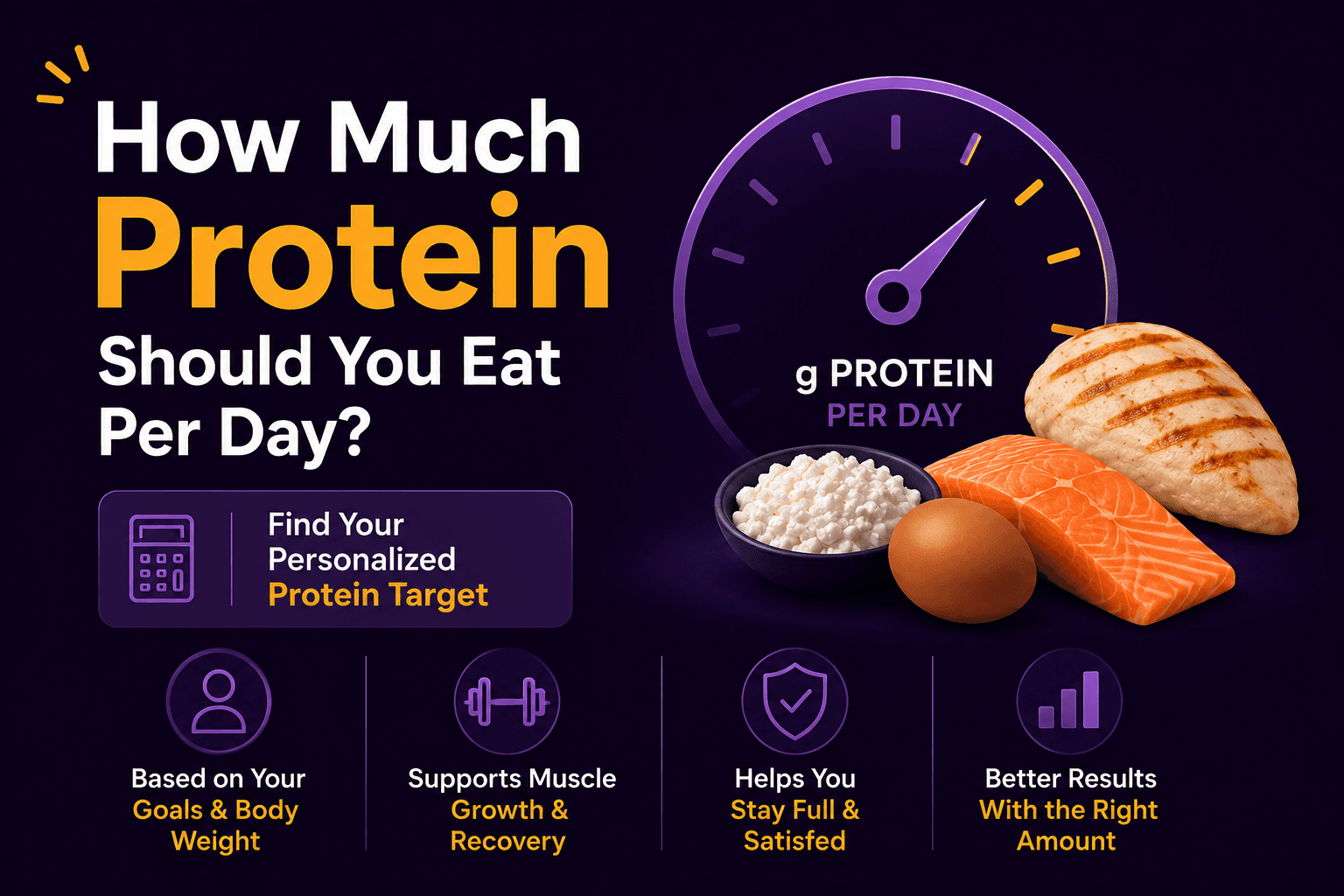
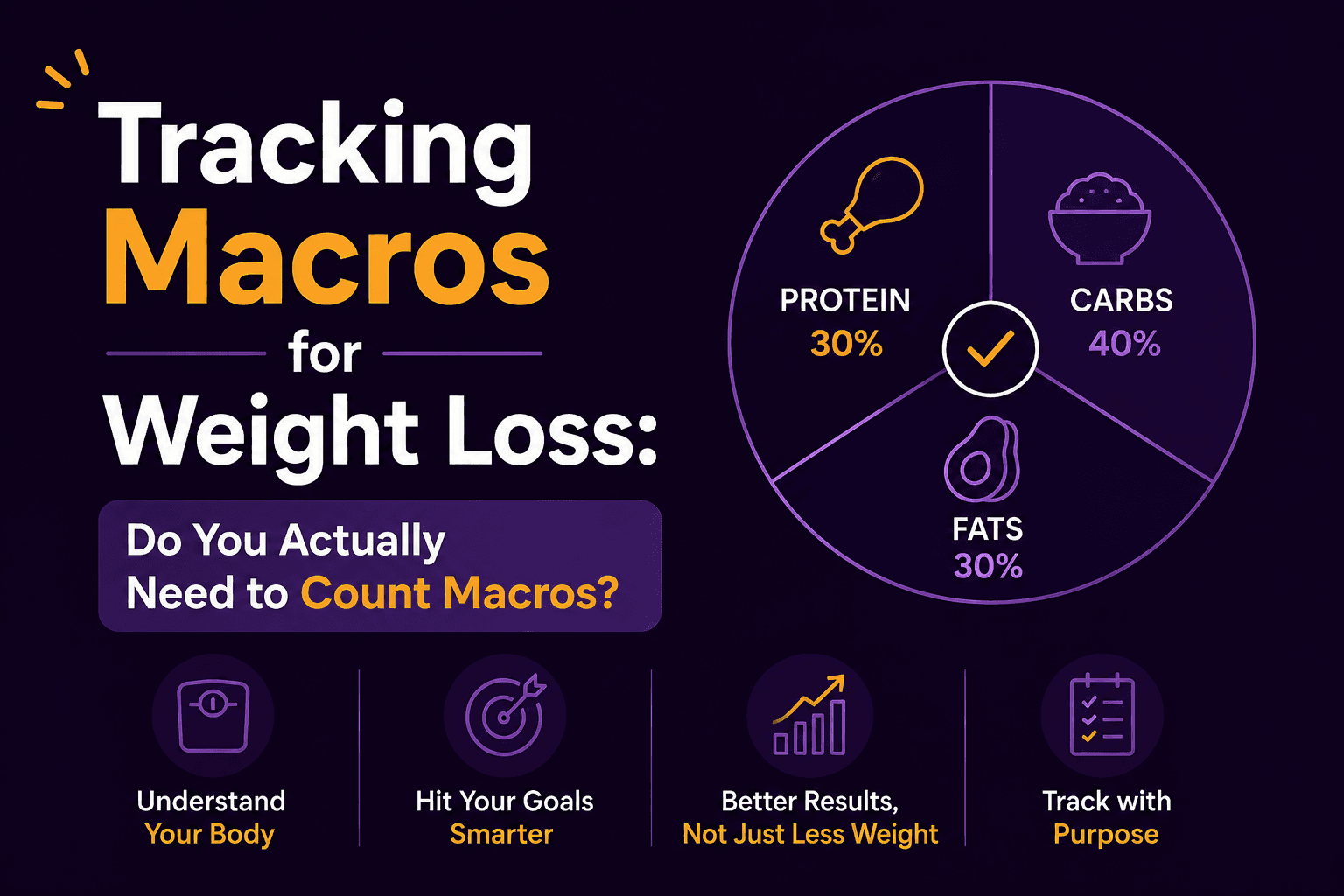
If you want the next day to feel more stable, focus on balance. This is where counting macros and protein actually becomes useful in a practical way. You do not need to obsess over numbers, but you do want meals that are more satisfying and structured.
A better protein and macro count to lose weight can help recovery feel easier because higher-protein meals often keep you fuller and more grounded. If you wake up after a big event and respond with a balanced breakfast or lunch instead of random restriction, your whole day usually goes better. This is one place where macro awareness helps without needing perfection.
Use a Diet Tracker
A good diet tracker for weight loss helps you stay objective after overeating. Instead of guessing, avoiding, or pretending it did not happen, you can log the event and see it in context. That is what makes tracking weight for fat loss and food intake more useful than emotional memory alone.
Slim AI-Calorie Tracker is especially helpful here because it shows more than just a calorie total. Its visual graph shows how many calories you need, how many you consumed, and how much can be balanced through workouts or movement. It also stores your meals in the log section and helps you review weekly progress, which makes one event feel much smaller in the bigger picture. And because it supports easy meal logging and photo-based entry, it works well as an AI calorie tracker free and photo solution for people who want clarity without extra stress.
Stop the Weekend Spiral
The goal after a social event is not to become perfect. It is to stop one meal from becoming three off-track days. Do not wait until Monday to restart. Do not decide the weekend is already ruined. Just eat your next meal like a normal person and move on.
That is really the answer to how to avoid over-eating after a setback. You stop treating the event like failure. The faster you return to your routine, the less power the event has over the rest of your week.
Weight Loss vs Muscle Gain
Food tracking is useful for more than one goal. For weight loss, it helps you stay aware of calorie balance. For food tracker for weight gain or muscle gain goals, it helps you make sure you are eating enough and getting enough protein consistently.
That is why the same tool can support different outcomes. Whether you are learning how to track muscle gain or trying to lose fat, the benefit of tracking is the same: more awareness, better adjustments, and less guessing.
Conclusion
No, going over your calorie limit at one social event does not ruin your progress. The best recovery is to return to normal eating, avoid guilt-driven restriction, and treat the event as one part of your week instead of the whole story.
Slim AI-Calorie Tracker helps make that easier by showing your calorie balance, meal logs, macros, and progress in one place, so one event stays manageable instead of feeling like proof that you failed.