


Calories in Chicken Fried Rice
A takeaway plate of chicken fried rice (about 300 g) has roughly 480-520 calories, or around 165 calories per 100 g. The wok oil is the main variable — restaurant versions absorb noticeably more than home-cooked — along with extras like egg, sauces and the chicken-to-rice ratio. Large takeaway containers can hold 450 g or more, pushing a single serving past 700 calories.
Last updated
Chicken Fried Rice Nutrition Facts (per 100 g)
| Calories | 165 kcal |
|---|---|
| Protein | 7 g |
| Carbohydrates | 21 g |
| Fat | 6 g |
| Fiber | 1 g |
| Sugar | 1 g |
| Sodium | 400 mg |
Typical reference values. Real dishes vary with ingredients, oil, portion size, and cooking method. Source: USDA-style reference values, pending dietitian verification.
Chicken Fried Rice Calories by Serving Size
| Serving | Weight | Calories |
|---|---|---|
| 1 cup (200 g) | 200 g | ~330 kcal |
| 1 plate (300 g) | 300 g | ~500 kcal |
| 1 takeaway container (450 g) | 450 g | ~740 kcal |
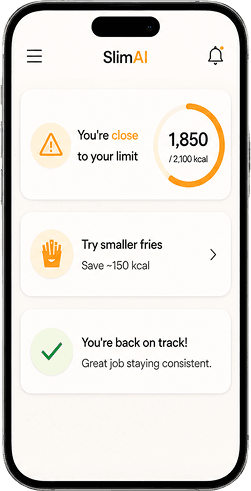
Log Chicken Fried Rice in about three seconds
Snap a photo, say it out loud, or search the database — then adjust the serving size so the entry matches your plate. Eat smarter, not stricter.


3-day free trial · Cancel anytime · No card charged during trial
Quick Answer
A takeaway plate of chicken fried rice, about 300 g, has roughly 480-520 calories, or around 500 for a typical portion. A 200 g cup comes to about 330 calories, and a full takeaway container at 450 g reaches roughly 740. Per 100 g, chicken fried rice averages about 165 calories.
That sits meaningfully above plain steamed rice at about 130 calories per 100 g, and the difference is the wok oil, the egg and the sauce rather than the rice. Container size does the rest of the work — a takeaway box is closer to two servings than one.
Why Chicken Fried Rice Calories Vary
Fried rice is rice plus whatever the wok added, and restaurant woks are not measured:
- Oil quantity, which is far higher in a commercial wok than in a home pan
- Whether day-old or freshly cooked rice was used, since fresh rice soaks up more oil
- How many eggs went in
- Soy, oyster and sweet sauces stirred through at the end
- The chicken-to-rice ratio, which decides how much protein sits in the same weight
- Vegetable content, which lowers the calorie density of the dish
- Portion size, from a 200 g cup to a 450 g takeaway container
A home version cooked with a measured tablespoon of oil can come in 30-40% lighter than the takeaway equivalent, which is a wider gap than most people expect from the same recipe.
Does Chicken Fried Rice Fit a Calorie Deficit?
Fried rice is a complete meal in one dish, with carbohydrate from the rice and about 7 g of protein per 100 g from the chicken and egg. It fits a deficit easily at the right size and struggles at the wrong one:
- The takeaway container is the default portion, and at roughly 740 calories it is a large one
- Fried rice is usually ordered alongside a main rather than as one
- Spring rolls, prawn crackers and sweet sauces around it add up quickly
- Leftovers eaten straight from the box rarely get logged
A 200 g cup at about 330 calories with a vegetable side, or a 300 g plate at about 500 as the whole meal, are both reasonable. Splitting the container across two meals is often the simplest fix available.
How to Make Chicken Fried Rice Lower in Calories
Fried rice is one of the easier takeaway dishes to rebuild lighter at home:
- Use one measured tablespoon of oil rather than pouring into the pan by eye
- Cook with day-old refrigerated rice, which needs less oil to fry loose
- Push the ratio towards chicken breast and vegetables and away from rice
- Use light soy and skip the sweet sauces
- Order steamed rice with a stir-fried dish instead of fried rice when eating out
- Decant a takeaway container onto a plate before eating so the portion is visible
Between measured oil and a right-sized portion, the same dish can sit 30-40% below its takeaway version without feeling like a compromise.
How to Track Chicken Fried Rice in SlimAI
- Open SlimAI and start the entry.
- Scan the plate with the camera, or search the food database for chicken fried rice and pick cup, plate or takeaway container.
- Voice and free-text logging both work: "one plate of chicken fried rice".
- Review the estimate against the real dish. A photo can gauge volume but not how much oil the wok used, and takeaway fried rice sits at the high end of that range.
- Adjust the ingredients — more oil for takeaway, less for a home pan — and set the portion in grams or cups.
- Save it, and log any sides separately.
If you ate from the container rather than a plate, log the container size and then edit it down if you left some. Reconstructing the portion from memory later is where fried rice entries usually drift.
 FAQ
FAQ
Still Wondering About SlimAI
 Is chicken fried rice okay for weight management?
Is chicken fried rice okay for weight management?In measured portions, yes — a one-cup serving at about 330 calories with a vegetable side can fit a calorie-deficit routine. The common pitfall is eating a full takeaway container, which can be more than double a standard serving.
How can I make fried rice lower in calories?
How can I make fried rice lower in calories?Cook it at home with one tablespoon of oil, use day-old rice so it needs less oil, load it with vegetables, and add extra chicken breast for protein. A home version made this way can come in 30-40% lighter than takeaway.
Is fried rice much higher in calories than steamed rice?
Is fried rice much higher in calories than steamed rice?Yes — plain steamed rice is about 130 calories per 100 g, while fried rice runs around 165 or more because of the oil, egg and sauce. Over a 300 g plate, that is roughly 100-150 extra calories before counting fried sides.
How do I log chicken fried rice in SlimAI?
How do I log chicken fried rice in SlimAI?Snap the plate with SlimAI's camera scan and the portion is estimated for you, or search "chicken fried rice" and set the amount in cups or grams. Voice logging works too — just describe what you ate.
Stop looking up Chicken Fried Rice with AI Meal Logging.
SlimAI reads the plate, fills in the calories and macros, and shows what is left in your day. Free for three days.
Free 3-day trial, then $7.99/month or $29.99/year. Cancel anytime.
- 50K+ food items in the food database
- 10K+ downloads on iOS and Android
- 7 languages
- 4.5★ App Store · 4.8★ Google Play (as of September 3, 2026)