


Calories in Spaghetti Bolognese
A standard restaurant plate of spaghetti bolognese (about 400 g) has roughly 600 calories, or around 150 calories per 100 g. The dish is a balanced mix of pasta carbs and meat-sauce protein, so it is moderate per gram — portion size is what makes or breaks it. Fattier mince, extra olive oil and a heavy dusting of parmesan add 100-200 calories to a plate.
Last updated
Spaghetti Bolognese Nutrition Facts (per 100 g)
| Calories | 150 kcal |
|---|---|
| Protein | 8 g |
| Carbohydrates | 17 g |
| Fat | 5.5 g |
| Fiber | 2 g |
| Sugar | 3 g |
| Sodium | 350 mg |
Typical reference values. Real dishes vary with ingredients, oil, portion size, and cooking method. Source: USDA-style reference values, pending dietitian verification.
Spaghetti Bolognese Calories by Serving Size
| Serving | Weight | Calories |
|---|---|---|
| 1 moderate bowl (250 g) | 250 g | ~380 kcal |
| 1 restaurant plate (400 g) | 400 g | ~600 kcal |
| 1 small portion (180 g) | 180 g | ~270 kcal |
Log Spaghetti Bolognese in about three seconds
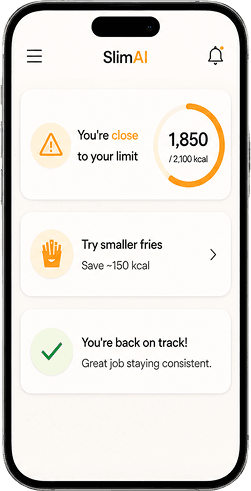
Snap a photo, say it out loud, or search the database — then adjust the serving size so the entry matches your plate. Eat smarter, not stricter.


3-day free trial · Cancel anytime · No card charged during trial
Quick Answer
A standard restaurant plate of spaghetti bolognese, about 400 g, has roughly 600 calories. A moderate 250 g bowl comes to around 380 and a small 180 g portion about 270. Per 100 g, spaghetti bolognese averages roughly 150 calories.
That is moderate for a pasta dish, because the sauce is tomato and meat rather than cream. It also brings about 8 g of protein per 100 g from the mince, so the plate is more balanced than pasta usually gets credit for. Portion size is what decides the number.
Why Spaghetti Bolognese Calories Vary
Bolognese is a home dish more often than a restaurant one, and home dishes are portioned by hand:
- The pasta-to-sauce ratio, which is set at the serving spoon rather than in the recipe
- Mince fat content, since lean 5% mince and standard mince are not equivalent
- Olive oil used to start the sofrito, which is easy to over-pour
- Parmesan grated over the top, which is dense and rarely measured
- Whether the sauce includes pancetta, butter or milk in the traditional style
- Vegetable content — carrot, celery and mushroom bulk the sauce at little cost
- Plate size, from a 180 g portion to a 400 g restaurant plate
Fattier mince, extra olive oil and a heavy dusting of parmesan can add 100-200 calories to a plate, which is why the same family recipe produces different numbers in different kitchens.
Is Spaghetti Bolognese Good for a Calorie Deficit?
Spaghetti bolognese is one of the more deficit-friendly pasta dishes, and the reasons are structural: a tomato-based sauce, real protein from the mince, and vegetables that can be added without penalty. Where plates overshoot:
- Serving pasta by the pan rather than by the portion
- Garlic bread alongside, which is a second helping of carbohydrate on the same plate
- Parmesan added by hand at the table and never counted
- Using a 600-calorie restaurant plate as the mental reference for a home portion
A 250 g bowl at around 380 calories with a salad alongside is an easy meal to build a week around. Set against cream-based pastas, which run 40-60% higher for the same portion, bolognese is already doing you a favor.
How to Make Spaghetti Bolognese Lower in Calories
Bolognese takes well to adjustment, because most of its calories sit in ingredients you control:
- Use lean 5% mince
- Measure the olive oil into the pan rather than pouring it
- Bulk the sauce with carrot, celery, mushroom and lentils
- Serve a smaller mound of pasta with more sauce over it
- Weigh the dry pasta once so you know what a portion actually looks like
- Use wholewheat spaghetti for more fiber at similar calories
- Grate the parmesan onto the plate rather than over the pan, so you can see how much went on
A 180 g portion at about 270 calories and a 400 g plate at about 600 are the same dish. The difference is entirely in how it was served.
How to Track Spaghetti Bolognese in SlimAI
- Open SlimAI and start the entry.
- Photograph the plate for a camera scan, or search the food database for spaghetti bolognese and set the portion in bowls or grams.
- Voice and free text work too — describe the plate and it is logged in seconds.
- Check the estimate against your plate. A photo reads the surface of a pasta dish, so it can misjudge how much spaghetti is under the sauce and how lean the mince was.
- Edit at ingredient level: adjust the mince, the oil and the pasta weight, and add the parmesan you actually used.
- Save the entry, and log garlic bread separately if you had it.
If you cooked it yourself, logging the pot once with real ingredient weights and then dividing by the number of servings is the most accurate route available — and it means the next plate takes one tap.
More Continental Foods
 FAQ
FAQ
Still Wondering About SlimAI
 Is spaghetti bolognese a reasonable choice for calorie counting?
Is spaghetti bolognese a reasonable choice for calorie counting?Yes — it is one of the more balanced pasta dishes, with protein from the mince and a tomato-based rather than cream-based sauce. A 250 g bowl at about 380 calories can fit a calorie-deficit routine comfortably.
How can I reduce the calories in spag bol?
How can I reduce the calories in spag bol?Use lean 5% mince, measure the olive oil, bulk the sauce with vegetables like carrot, celery and mushrooms, and serve a smaller mound of pasta with more sauce. Wholewheat spaghetti adds fiber and keeps you fuller for the same calories.
How does bolognese compare to creamy pasta dishes?
How does bolognese compare to creamy pasta dishes?Tomato-and-meat sauces are considerably lighter per gram than cream-based ones — a carbonara or alfredo of the same portion can run 40-60% higher in calories because of the cream, butter and extra cheese.
How do I log spaghetti bolognese in SlimAI?
How do I log spaghetti bolognese in SlimAI?Take a photo with SlimAI's camera scan and the portion is estimated for you, or search "spaghetti bolognese" and set the serving in bowls or grams. Voice logging works as well — describe your plate and it is logged in seconds.
Stop looking up Spaghetti Bolognese with AI Meal Logging.
SlimAI reads the plate, fills in the calories and macros, and shows what is left in your day. Free for three days.
Free 3-day trial, then $7.99/month or $29.99/year. Cancel anytime.
- 50K+ food items in the food database
- 10K+ downloads on iOS and Android
- 7 languages
- 4.5★ App Store · 4.8★ Google Play (as of September 3, 2026)